Common Causes of Cracked Concrete Sidewalks and How Installation Quality Matters
People seeking concrete sidewalk installation often want durable, crack-resistant surfaces, and local contractors can ensure proper installation to prevent common causes of cracking.
If your concrete sidewalk has developed cracks or uneven surfaces, understanding the common causes of cracked concrete sidewalks and how installation quality matters can help you make informed decisions about repairs or replacements. Property owners in the area often find that issues like soil movement, improper mixing, or inadequate reinforcement contribute to sidewalk damage over time. Recognizing these factors can highlight the importance of choosing experienced local contractors who prioritize proper installation techniques to ensure long-lasting results and reduce the likelihood of future cracks.
Investing in high-quality installation can make a significant difference in the durability and appearance of a concrete sidewalk. Skilled local service providers understand how to address soil conditions, use the right materials, and follow best practices that prevent common causes of cracked concrete sidewalks and how installation quality matters. Exploring your options and working with reputable local contractors can help protect your property and keep your sidewalk safe and visually appealing for years to come. Keep reading to learn more about what causes sidewalk cracks and how professional installation can provide lasting solutions.
- Concrete sidewalk installation services are often needed when existing sidewalks crack due to poor initial placement or ground shifting, and local contractors focus on proper subgrade preparation to prevent future issues. When cracks develop from tree roots or freeze-thaw cycles, experienced service providers emphasize high-quality mixing and curing techniques to enhance durability. For sidewalks showing signs of uneven settling, local pros assess soil stability and use appropriate reinforcement methods to ensure a level, long-lasting surface. Cracks caused by improper joint placement are addressed by skilled installers who carefully plan and execute joint spacing during installation. Overall, the quality of installation plays a crucial role in minimizing cracking and extending the lifespan of concrete sidewalks.
Understanding the common causes of cracked concrete sidewalks and how installation quality matters is a key concern for many homeowners planning or maintaining outdoor walkways. When people search for this topic, they often want to identify why their existing sidewalks have developed cracks or learn how to prevent future damage. This information relates to projects such as replacing old, uneven, or damaged concrete, as well as installing new sidewalks that need to withstand foot traffic and weather conditions over time. Homeowners typically consider properties like residential yards, apartment complexes, or commercial premises where durable, safe walkways are essential for accessibility and curb appeal.
Cracks in concrete sidewalks can result from a variety of factors, including soil movement, improper preparation, or environmental stresses. For example, soil shifting beneath the slab can cause uneven settling, leading to cracks or heaving. Poor drainage around the property can cause water to seep into the ground, weakening the foundation of the concrete. Additionally, extreme temperature fluctuations cause expansion and contraction, which can stress the material and create fractures. These issues are often exacerbated by substandard installation practices, such as inadequate base preparation or improper mixing of concrete, which can compromise the slab’s ability to withstand these natural forces.
The quality of installation plays a crucial role in the longevity and durability of concrete sidewalks. Proper site preparation, including thorough soil compaction and the use of a stable base, helps prevent uneven settling and cracking. Correct mixing, pouring, and finishing techniques ensure the concrete has the right strength and flexibility to handle environmental stresses. When local contractors prioritize quality in installation, they reduce the likelihood of common problems like cracking, spalling, or uneven surfaces. Skilled installation also involves proper joint placement, which guides cracks to form in controlled locations rather than randomly damaging the entire slab, ultimately extending the lifespan of the sidewalk.
For property owners considering a new sidewalk or repairs, understanding how installation quality impacts the final outcome highlights the importance of choosing experienced service providers. Reliable local contractors bring knowledge of best practices and local conditions that influence concrete performance. They can assess site-specific factors such as soil type, drainage, and climate to ensure the installation is tailored to withstand the unique stresses of the area. Connecting with qualified pros can help ensure that the project not only looks good initially but also remains functional and crack-free for years to come, making the investment in quality installation well worth it.
Concrete repair projects involve fixing existing surfaces, which require understanding of cracking causes and proper installation techniques to ensure durability.
Pavement and driveway installation share similar skills and tools, emphasizing proper base preparation and joint placement to prevent cracking issues.
Patio and outdoor flooring projects demand precise planning and quality workmanship, aligning with best practices to minimize future cracks and surface failures.
Sidewalk and walkway replacement projects rely on proper subgrade preparation and concrete pouring methods, directly related to installation quality and crack prevention.
Foundation and slab leveling services involve similar planning and skill sets, focusing on preventing uneven settling that can lead to cracks over time.
Concrete sealing and waterproofing services help protect surfaces from moisture damage, complementing installation quality to extend the lifespan of concrete structures.
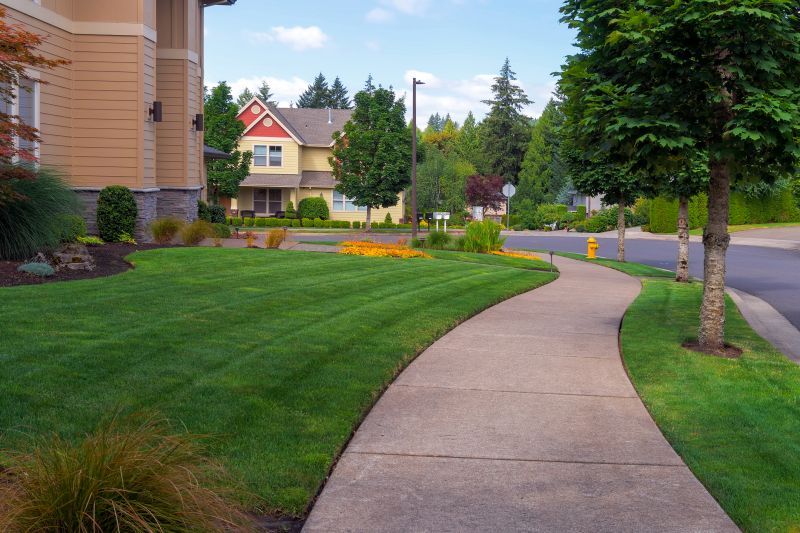
When evaluating concrete sidewalk installation services, it’s important to consider the experience of local contractors with similar projects. Contractors who have handled a variety of sidewalk installations are more likely to understand the common causes of cracked concrete sidewalks and how installation quality matters. Their familiarity with different soil conditions, weather impacts, and foundational requirements can lead to better results and help prevent future issues. Asking about past work or requesting examples of completed projects can provide insight into their expertise and whether they are well-versed in addressing the specific challenges that can lead to cracks.
Clear written expectations are essential when comparing local service providers for sidewalk installation. A detailed scope of work should outline the steps involved, the materials used, and the standards for quality. This helps ensure that both parties have a shared understanding of the project and reduces the risk of misunderstandings that could compromise the sidewalk’s durability. Service providers who can articulate their approach to managing common causes of cracked concrete sidewalks and how they prioritize installation quality are more likely to deliver a long-lasting result.
Reputable references and good communication are key indicators of reliable local contractors. Speaking with previous clients or reading reviews can shed light on the contractor’s ability to maintain transparency and address concerns throughout the project. A contractor who communicates clearly about their process and listens to homeowner questions demonstrates professionalism and a commitment to quality work. When selecting a service provider, these qualities can help ensure that the installation is performed properly, with attention to factors that influence cracking and overall sidewalk longevity.
Property owners often search for common causes of cracked concrete sidewalks and how installation quality matters when they are planning practical projects around their homes and businesses. Local pros provide Concrete Sidewalk Installation services for everyday jobs and straightforward project options.
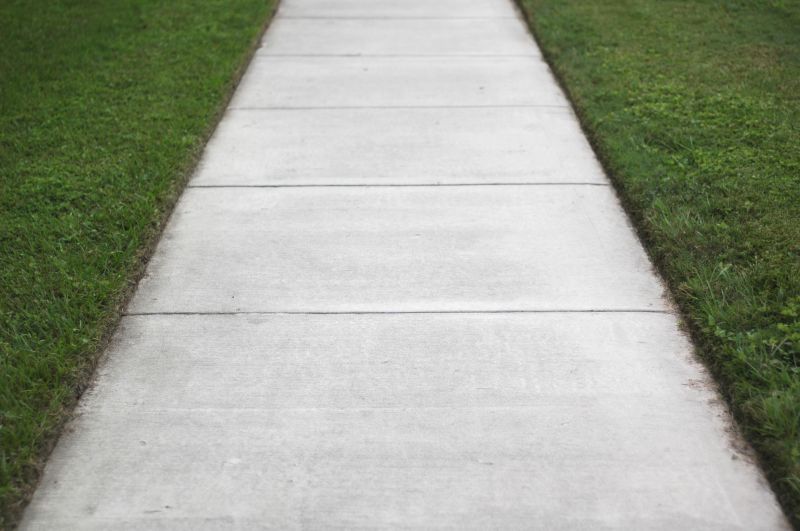
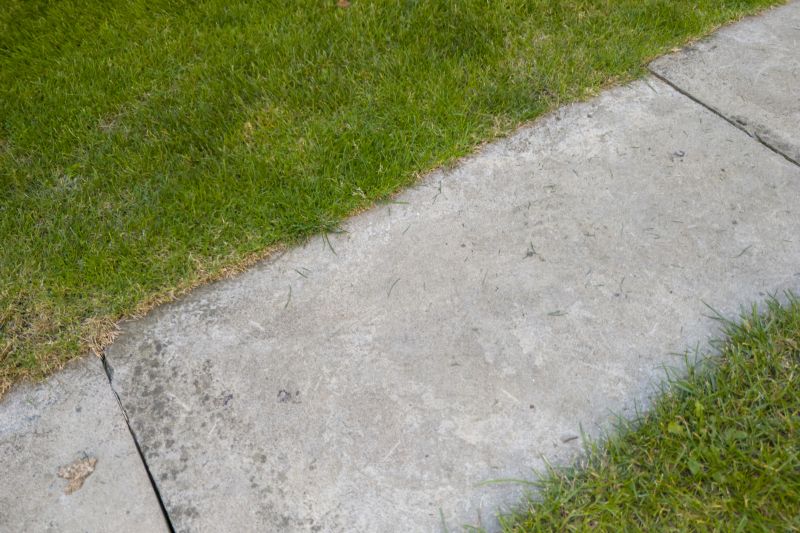
Cracked concrete sidewalks are a common concern for property owners dealing with uneven or damaged walkways. Many cracks develop over time due to factors such as soil movement beneath the surface, exposure to fluctuating temperatures, or heavy foot and vehicle traffic. Sometimes, these issues stem from poor initial installation practices, like inadequate sub-base preparation or improper mixing of the concrete. Property owners often seek out information on these causes to better understand why their sidewalks are cracking and to determine if professional installation quality could have prevented the problem.
The quality of concrete sidewalk installation plays a significant role in how well a walkway withstands everyday stresses. Skilled local contractors focus on proper site preparation, correct mixing, and precise placement techniques to ensure long-lasting results. When installation is done correctly, it reduces the likelihood of cracking caused by shifting soil or weather-related expansion and contraction. Property owners considering sidewalk repairs or new installations can benefit from consulting local service providers who emphasize quality workmanship, helping to prevent future issues and improve the durability of their walkways.
What are common causes of cracked concrete sidewalks? Common causes include soil movement, improper installation techniques, freeze-thaw cycles, and heavy loads that exceed the concrete’s capacity. Proper site preparation and quality installation by experienced contractors can help prevent these issues.
How does installation quality impact the durability of concrete sidewalks? High-quality installation ensures proper subgrade preparation, correct mixing, and adequate curing, which reduce the likelihood of cracks and extend the lifespan of the sidewalk. Skilled service providers focus on these details to deliver long-lasting results.
Can poor soil conditions lead to sidewalk cracks? Yes, unstable or poorly compacted soil can cause shifting and settling, leading to cracks. Local contractors often address soil issues through proper grading and stabilization techniques during installation.
Why is proper joint placement important in preventing cracks? Properly placed control joints allow for expansion and contraction, minimizing random cracking. Experienced sidewalk installers know how to position joints correctly to accommodate movement.
How can choosing experienced service providers help avoid cracked sidewalks? Experienced contractors understand the importance of quality installation practices, proper site assessment, and material handling, all of which contribute to reducing the risk of cracks and ensuring a durable sidewalk.
Proper ground preparation - Ensuring the soil is well-compacted and stable helps prevent future cracking and provides a solid base for sidewalk installation by local contractors.
Quality control during installation - Choosing experienced service providers who follow best practices can reduce issues caused by poor mixing or improper pouring techniques.
Controlling joint placement - Properly spaced control joints created by local pros can help manage cracking and allow for natural expansion and contraction of the concrete.
Using high-quality materials - Selecting durable concrete mixes and reinforcement options from trusted service providers can improve the longevity of sidewalks and minimize cracking.
If you are thinking about common causes of cracked concrete sidewalks and how installation quality matters for a property, this guide is meant to help you understand this topic, the typical project types, and how different options might fit your plans.
When you are ready, you can use the quote form on this page to share a few details about your project. From there, local pros can review the basics and follow up with options that match what you have in mind.